A clean media and recording studio is vital for both the safety of the equipment and the comfort of clients and performers. Dust and grime can cause equipment to malfunction or wear out faster, leading to costly repairs or replacements. Furthermore, a clean studio portrays a professional image, giving clients and performers confidence in the quality of service they will receive. Keeping the studio pristine is an essential part of maintaining its functionality and reputation.
Daily and weekly cleaning tasks help keep the studio environment pleasant and efficient. Simple routines like wiping down surfaces, vacuuming, and organising cables can make a big difference. Regular cleaning routines ensure that every part of the studio looks and works its best without requiring extensive time and effort each day.
Handling delicate equipment is another critical aspect of studio cleaning. Audio gear, instruments, and sensitive technology need careful attention. Using the right cleaning tools and techniques can prevent damage and prolong the life of this crucial equipment. Similarly, maintaining air quality and managing noise levels are key to offering a top-notch studio experience. Good air quality reduces dust buildup, while proper noise control keeps the space acoustically sound.
In this article, we will explore the essential aspects of cleaning media and recording studios. From daily routines to handling delicate equipment, this guide provides practical tips to ensure your studio remains immaculate and fully operational. By following these guidelines, you can create a clean, professional, and inviting space for every client and performer that walks through your doors.
Importance of a Clean Studio Environment
Impact on Equipment Longevity
Keeping a media and recording studio clean is essential for the longevity of your equipment. Dust and dirt can infiltrate audio gear, mixing consoles, and computers, leading to malfunctions and reduced performance. When dust settles on delicate equipment, it can cause overheating and short circuits. Regular cleaning can prevent these issues and save you from costly repairs or replacements.
Additionally, clean equipment performs better. Without dust and grime interfering with connections and controls, your gear remains in top condition. Consistent maintenance ensures your equipment lasts longer and operates smoothly, which is crucial for maintaining the quality of your recordings and productions.
Enhancing Performers’ and Clients’ Experience
A spotless studio makes a significant difference in how performers and clients perceive your space. Walking into a clean, organised studio sets a professional tone and helps clients feel comfortable and confident in your services. Cleanliness reflects your attention to detail and commitment to quality, which can enhance the overall experience for everyone who uses the space.
A clean environment also improves focus and creativity. Performers and clients are more likely to feel at ease and inspired in a tidy, clutter-free space. By providing a clean studio, you create an atmosphere that supports artistic expression and productivity, making your studio a preferred choice for professionals in the industry.
Daily and Weekly Cleaning Tasks
Essential Daily Cleaning Routines
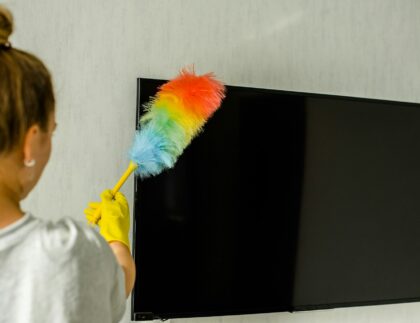
Daily cleaning routines are crucial for maintaining a neat studio environment. Start by wiping down all surfaces with a microfiber cloth to remove dust and fingerprints. Pay extra attention to high-touch areas like mixing consoles, keyboards, and door handles. Keeping these spots clean helps reduce the spread of germs and keeps your equipment looking new.
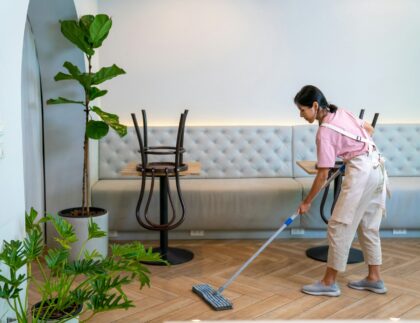
Next, vacuum or sweep the floors to get rid of dust and debris. If your studio has carpets, a quick vacuum can make a huge difference. For hard floors, use a damp mop to ensure they are spotless. Empty the rubbish bins daily to prevent unpleasant odours and clutter. Keeping a clean and organised workspace helps everyone feel more focused and efficient.
Weekly Deep Cleaning Checklist
Once a week, it’s important to perform a more thorough cleaning of your studio. Start by dusting and wiping down all surfaces, including shelves and less frequently used equipment. Remove and clean any personal items or décor that may have collected dust over the week.
Deep clean the floors by giving them a good vacuum or mop, reaching under desks and around furniture. Clean windows and mirrors to ensure they are streak-free and clear. Additionally, check HVAC filters and clean or replace them if necessary to maintain good air quality.
Tackle any accumulated clutter, organising cables and equipment to keep the space tidy. Ensure that all cleaning tasks are methodically completed to maintain a pristine studio environment, enhancing both equipment performance and user experience.
Handling Delicate Equipment and Materials
Cleaning Audio Equipment and Instruments
When it comes to cleaning audio equipment and instruments, care is paramount. Use a soft, lint-free cloth to gently wipe down surfaces. For more detailed cleaning, use a mild cleaning solution, but make sure it is safe for electronics. Avoid using too much liquid, as it can seep into the equipment and cause damage. For instruments, check manufacturer guidelines for cleaning recommendations to avoid harming the materials.
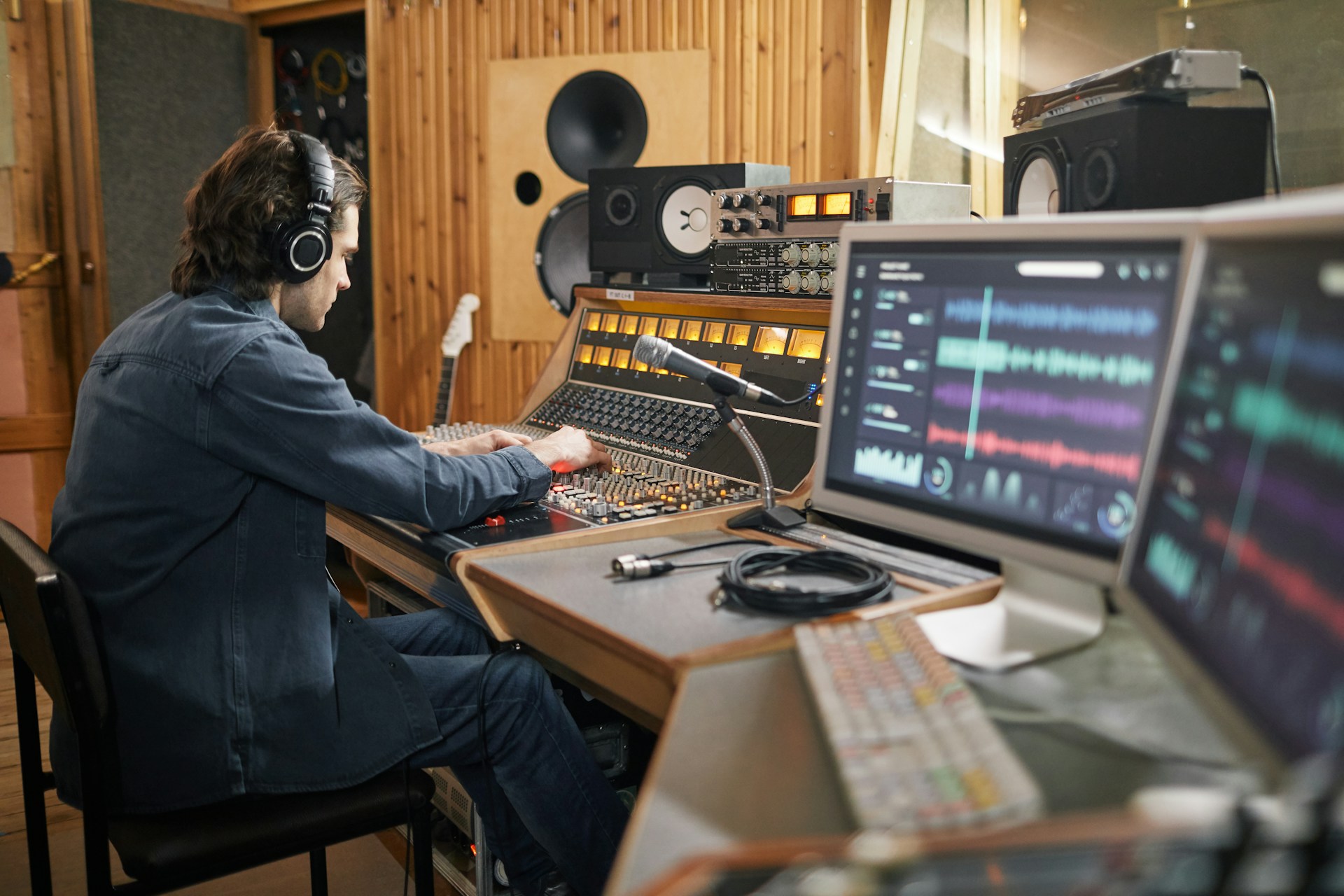
Dust microphones regularly with a soft brush or cloth. For more intricate parts, such as knobs and buttons on mixers, use compressed air to remove dust from crevices. Remember, keeping audio equipment clean ensures it operates efficiently and lasts longer, preserving sound quality and performance reliability.
Best Practices for Studio Furniture and Surfaces
Maintaining studio furniture and surfaces is essential for a clean and professional look. Start by dusting all furniture with a microfiber cloth to capture dust without spreading it around. For wooden surfaces, use a wood cleaner to keep them polished and free from grime. For fabric surfaces, such as chairs or couches, vacuum regularly to remove dust and dirt.
Wipe down desks, tables, and shelves with a gentle cleaner to remove fingerprints and smudges. Pay attention to monitor screens and other displays, using appropriate cleaners to avoid damaging the screens. Keep the studio clutter-free by organising cables and storing equipment properly. This not only enhances the studio’s appearance but also prevents accidental damage to sensitive gear.
Keeping Up with Air Quality and Noise Control
Maintaining Good Air Quality
Good air quality is crucial in media and recording studios. Poor air quality can lead to dust buildup, affecting both equipment and the health of those using the space. Use air purifiers to remove dust, allergens, and other particles from the air. Regularly change air filters in HVAC systems to ensure they are functioning effectively.
In addition, ensure proper ventilation to keep air fresh. Avoid using scents or sprays that may contain chemicals, as these can affect sensitive equipment and irritate people. Keeping plants in the studio can also help improve air quality naturally and create a pleasant atmosphere.
Managing Acoustic Panels and Soundproofing
Acoustic panels and soundproofing are essential for maintaining the acoustic integrity of your studio. Clean acoustic panels with a vacuum or a soft brush to remove dust without damaging the material. Inspect panels regularly for wear and tear and replace any that are damaged to maintain sound quality.
For soundproofing materials, wipe them down with a damp cloth to remove dust and dirt. Ensure that door seals and window covers are intact and functioning correctly to keep outside noise out. Maintaining these elements ensures optimal sound quality and recording conditions, providing a better experience for clients and performers.
Conclusion
A well-maintained studio is essential for both functionality and client satisfaction. Regular cleaning protects sensitive equipment, improves air quality, and creates a welcoming atmosphere. By implementing daily and weekly cleaning routines, you can keep your studio in top condition, ensuring it runs smoothly and efficiently.
Careful attention to delicate equipment and materials, as well as maintaining air quality and soundproofing, helps you provide a professional and inspiring environment for all users. A clean studio reflects your commitment to quality and professionalism, making it a preferred choice for clients and performers.
Ready to keep your media and recording studio spotless and professional? Contact So Clean So Fresh for expert cleaning services in Bedford tailored to your needs. Ensure your studio remains a clean, creative haven for all your clients and performers.