Maintaining cleanliness in doctor’s offices and care homes is crucial for protecting both patients and residents. These environments are especially vulnerable to the spread of germs and infections, making hygiene a top priority.
Clean spaces reduce the risk of illness and create a safer atmosphere for everyone. When patients and their families walk into a spotless doctor’s office or care home, they instantly feel more comfortable and confident in the care provided.
A clean environment also improves the overall experience for patients, residents, and staff. It creates a welcoming and pleasant atmosphere, which can significantly boost morale. Staff members are more likely to feel proud of their workplace and motivated to keep it tidy. Likewise, a clean setting can alleviate some of the stress and anxiety that patients and residents might feel, contributing to their overall well-being.
Let’s explore straightforward and effective ways to keep doctor’s offices and care homes clean. By following these easy steps, you can make a big difference in maintaining cleanliness and safeguarding health.
Importance of Cleanliness in Healthcare Settings
1. Protecting Patients and Residents
Keeping doctor’s offices and care homes clean is vital for safeguarding the health of patients and residents. Germs and bacteria can spread quickly in these settings, leading to infections and illnesses.
Regular cleaning and disinfection help minimise this risk, preventing the spread of harmful pathogens. By ensuring high standards of hygiene, we protect those who are often more vulnerable to infections, such as the elderly and individuals with weakened immune systems.
Clean environments also reduce the chances of cross-contamination. In a doctor’s office, this means that germs are less likely to spread from one patient to another. In a care home, it ensures that communal areas and personal spaces remain safe. This continuous effort to maintain cleanliness is crucial for the health and well-being of everyone in these facilities.
2. Enhancing the Overall Environment
A clean healthcare environment improves everyone’s experience. For patients, it means less stress and anxiety during visits. A spotless waiting room and consulting area can make a significant difference in how comfortable they feel. This positive experience can aid in their overall recovery and well-being.
For care homes, a clean environment boosts the quality of life for residents. It creates a pleasant atmosphere that feels more like home. Clean facilities also contribute to the mental and emotional well-being of residents, making them feel cared for and valued.
Staff members, too, benefit from a clean workplace, as it makes their job easier and more efficient, leading to higher job satisfaction.
Key Areas to Focus On
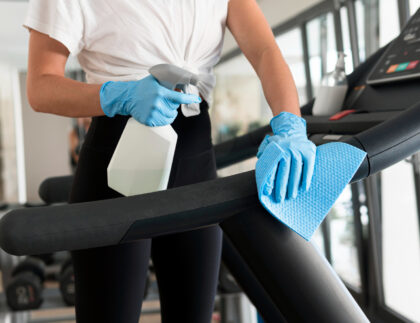
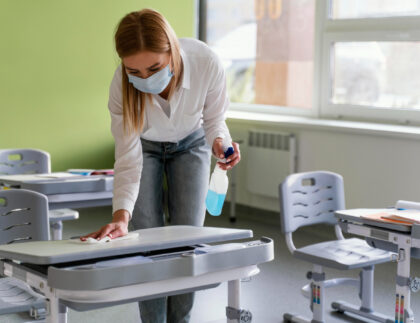
Daily cleaning routines should target high-traffic areas and frequently touched surfaces. In doctor’s offices, this includes waiting rooms, examination rooms, and reception areas. Regularly disinfecting doorknobs, countertops, chairs, and medical equipment is essential to keep germs at bay.
In care homes, focus on areas where residents gather or spend a lot of time, such as common rooms, dining areas, and personal living spaces. Bathrooms and kitchens are also critical areas that require daily attention. By identifying and prioritising these key areas, we can ensure a cleaner, safer environment for everyone.
Essential Cleaning Tasks
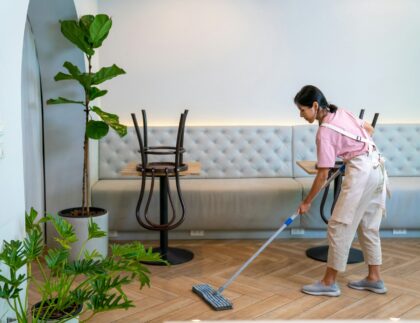
Daily cleaning tasks should include wiping down surfaces with disinfectant, sweeping and mopping floors, and taking out the rubbish. In doctor’s offices, it’s important to clean examination tables, sanitise hands-on equipment, and ensure that waiting areas are tidy.
In care homes, change bed linens regularly, disinfect bathroom fixtures, and ensure that communal areas are free of clutter. Vacuum carpets and clean any spills immediately to prevent accidents and maintain a hygienic space. By incorporating these tasks into a daily routine, we create a habit of cleanliness that helps maintain high hygiene standards.
By focusing on these essential cleaning tasks and key areas, we make sure that healthcare settings remain safe and hygienic for patients, residents and staff alike.
Recommended Products for Healthcare
Using the right cleaning products is crucial in healthcare settings. Disinfectants specifically designed for medical use are more effective in eliminating harmful bacteria and viruses.
Products containing ethanol, hydrogen peroxide, or sodium hypochlorite are often recommended for their strong disinfecting properties. It’s important to choose products that are safe for patients and staff, especially in areas where those with allergies or respiratory conditions reside.
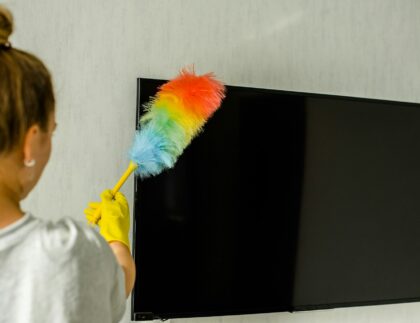
Microfibre cloths and mops are excellent choices for cleaning as they trap more dirt and bacteria than regular cloths. They can be used dry for dusting or damp for cleaning surfaces. Disposable wipes are also useful for quick disinfection of frequently touched surfaces like door handles, light switches, and worktops.
Best Practices for Effective Cleaning
For effective cleaning, follow a systematic approach. Start from the cleanest areas and move towards the dirtiest to avoid cross-contamination. Use separate cloths for different areas, such as one for the bathroom and another for the kitchen. Ensure these cloths are regularly washed and sanitised to maintain their effectiveness.
Pay special attention to high-touch areas. These include light switches, doorknobs, telephones, and remote controls. Regularly disinfect these spots throughout the day. When cleaning floors, use a two-bucket system—one for the cleaning solution and the other for rinsing the mop. This method helps in keeping the cleaning solution clean and effective for longer periods.
Staff Training and Involvement
1. Educating Staff on Cleaning Protocols
Training staff on proper cleaning protocols is essential for maintaining a clean and safe environment. Begin with basic hygiene practices such as regular hand washing and the proper use of gloves and masks. Ensure that staff are well-informed about the specific cleaning products they will use and the correct techniques for each area.
Create a detailed cleaning schedule that outlines tasks for each day, week, and month. This schedule should include daily duties such as disinfecting surfaces and weekly tasks like deep cleaning carpets. Staff should be aware of the importance of these routines and the role they play in preventing the spread of germs.
2. Encouraging Consistent Practices
Encouraging consistent cleaning practices among staff is key to maintaining high hygiene standards. Regularly monitor and review the cleaning practices to ensure they are being followed correctly. Provide feedback and additional training when necessary to address any gaps or issues.
Involve staff in the process by encouraging them to take ownership of their cleaning tasks. This can be achieved through regular meetings where staff can discuss challenges and suggest improvements. Recognising and rewarding staff for their efforts in maintaining cleanliness can also motivate them to keep up the good work.
Effective Ways to Ensure Cleanliness in Medical and Care Facilities
Keeping doctor’s offices and care homes clean is essential for protecting the health and well-being of patients, residents, and staff.
Cleanliness is a continuous effort that requires dedication and attention to detail. By adopting these easy and effective cleaning practices, we create safer and more pleasant healthcare settings. This commitment to cleanliness reflects our responsibility towards those who depend on us for their care and comfort.
If you need professional help to achieve and maintain these high standards of cleanliness, contact So Clean So Fresh. We provide expert commercial cleaning services in Bedford tailored to healthcare settings. Let us help you ensure the best possible environment for your patients and residents!