Sanitising doctors’ offices and care homes is critical for maintaining a safe and healthy environment. These places see high traffic and often house vulnerable individuals, making hygiene fundamental. Proper sanitisation protocols can prevent the spread of diseases, providing peace of mind to staff and visitors.
Choosing safe and effective cleaning products is vital to maintaining clean spaces. It’s about more than mere cleanliness; it involves selecting products that are powerful against germs yet gentle on surfaces and the environment. With the right strategies in place, doctors’ offices and care homes can become sanctuaries of safety and well-being for everyone.
Establishing a Comprehensive Sanitising Routine
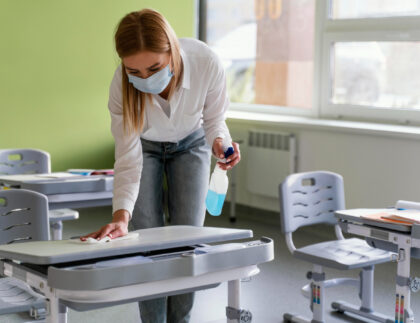
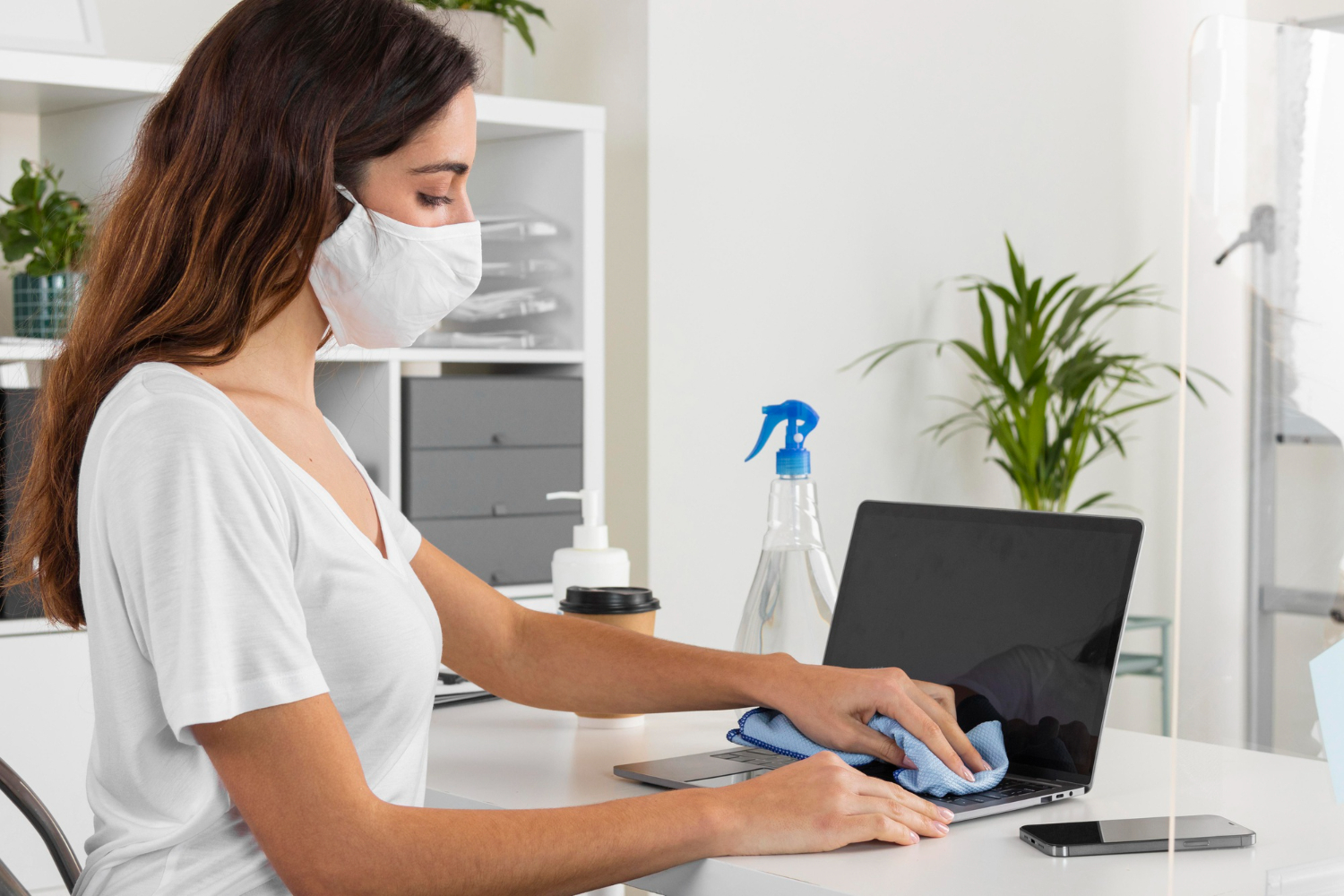
A structured cleaning schedule is essential for maintaining hygiene in doctors’ offices and care homes. High-touch areas, such as doorknobs, worktops, and medical equipment, need regular cleaning to prevent germ spread. Consistency is key, and a routine ensures that no spots are overlooked.
Here’s a list of essential sanitising tasks:
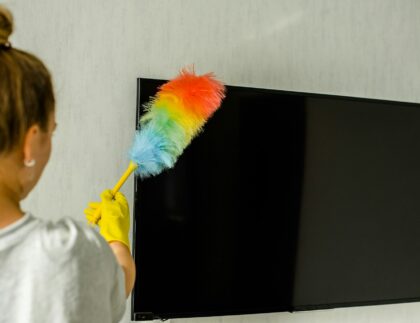
– Daily Tasks: Wipe down surfaces like desks, light switches, and keyboards. Clean toilets and sinks with disinfectant.
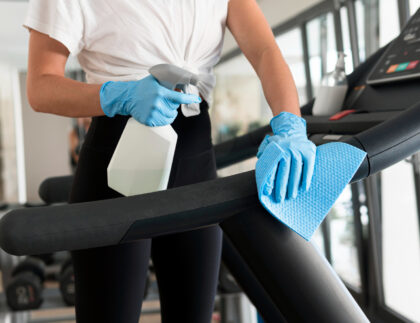
– Multiple Times Daily: Sanitise high-use areas like handrails and lift buttons. Clean patient chairs and waiting room tables.
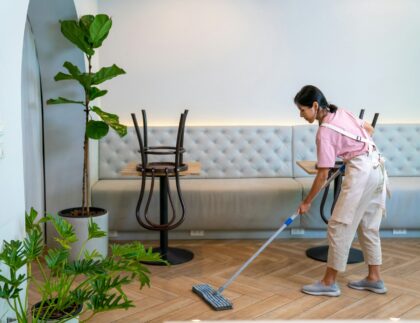
– Weekly Tasks: Deep clean floors and carpets. Sanitise air conditioning vents and behind furniture.
It is crucial to ensure compliance with health safety standards. Use checklists and logs to track cleaning tasks. This documentation helps review cleaning practices and identify areas requiring improvement. Regular audits can ensure that standards are being upheld. Establishing a comprehensive routine keeps the environment safe and gives confidence to patients and staff.
Using Safe and Effective Cleaning Products
Choosing the right cleaning products is crucial for effectively sanitising medical environments. Disinfectants must be strong enough to kill pathogens but safe for frequent use. Products should also be non-toxic to avoid harm to surfaces and individuals.
When selecting products, consider the following criteria:
– Effectiveness: Ensure the product can eliminate various germs, including bacteria and viruses.
– Safety: Choose products without harsh chemicals that can irritate skin or lungs.
– Surface Compatibility: Some disinfectants may damage surfaces or leave residues. Select ones that clean thoroughly without causing wear.
Recommended products include hospital-grade disinfectants known for their broad-spectrum capabilities. Look for labels with recognised safety certifications to verify their quality. Balancing efficacy and environmental impact is increasingly important. Opt for products with eco-friendly certifications, ensuring both health and environmental safety.
Ultimately, choosing cleaning products plays a significant role in maintaining a sterile yet safe environment. Using trusted and proven products simplifies sanitisation and bolsters overall health safety efforts in medical settings.
Training and Involvement of Staff in Sanitisation
Proper training is crucial for staff to carry out sanitisation practices effectively. Develop a structured training programme that covers all essential hygiene procedures. Ensure it includes demonstrations on using cleaning products safely and efficiently. Reinforce paying attention to detail, especially in hard-to-reach or frequently overlooked areas.
To boost staff motivation, consider implementing a system of recognition or rewards for diligent work. Such systems can include awards for the most punctual employee or those consistently maintaining high sanitisation standards. Regular feedback sessions can also help recognise efforts and identify improvement areas.
Updating training sessions regularly keeps staff informed of the latest best practices. New techniques and products frequently emerge, and staying updated ensures the facilities maintain the highest standards of cleanliness. Moreover, providing ongoing education fosters a sense of responsibility and commitment among the staff, enhancing the overall hygienic condition of the facility.
Creating a Safe Environment for Patients and Residents
Making doctors’ offices and care homes safer involves more than just cleanliness; it’s about creating a healthy environment. Start by identifying areas in waiting rooms and communal spaces where infections can spread quickly. Encourage social distancing by arranging seating to allow space between individuals. Provide easy access to hand sanitisers at various points.
To improve air quality, consider using air purifiers with HEPA filters and ensure regular maintenance of HVAC systems. Good ventilation reduces the risk of airborne infections, helping everyone breathe easier.
Communication plays a crucial role in maintaining hygiene standards. Educate patients and residents about the efforts undertaken for their safety. Place visible signs reminding individuals of hygiene practices like regular handwashing and mask-wearing if necessary. Clear communication builds trust and reassures everyone about the commitment to health and safety.
Conclusion
Ensuring hygiene in medical settings is essential for the well-being of everyone involved. Doctors’ offices and care homes can maintain high standards of cleanliness by establishing structured cleaning routines, selecting safe products, and engaging staff in regular training. Improving air quality and clear communication further enhance the safety of patients and residents.
So Clean So Fresh understands the importance of maintaining these environments, offering tailored solutions that meet the specific needs of healthcare facilities. Our expert guidance and commercial cleaning services make keeping your spaces sanitised and safe easier and more efficient. Trust So Clean So Fresh to support you in upholding the highest hygiene standards.