Retail stores bustling with customers create vibrant atmospheres but also pose challenges for keeping spaces clean. High foot traffic leads to quicker dirt build-up and wear on surfaces, making effective cleaning even more crucial. As the number of visitors increases, so does the need for efficient and thorough cleaning routines to maintain a welcoming environment.
A clean store appearance significantly affects the shopping experience. Customers are likely to spend more time and feel comfortable in a spotless environment. This encourages positive impressions and return visits. Understanding the impact of traffic patterns on cleanliness helps in creating tailored cleaning plans that address the specific demands of busy retail spaces.
With the right strategies, maintaining cleanliness amidst busy retail hustle becomes manageable. By adopting comprehensive cleaning schedules and using the most suitable products and tools, retail managers can ensure their stores remain pristine. This approach not only protects the store’s appearance but also enhances the overall customer experience, fostering loyalty and satisfaction.
Understanding the Impact of High Foot Traffic on Retail Cleanliness
High foot traffic in retail stores significantly accelerates the accumulation of dirt and wear on surfaces. Customers constantly entering and exiting bring in dust, mud, and other debris from the outside, which quickly scatter across floors and shelves. Carpets become discoloured, tiles appear dull, and entryways accumulate mud marks, making areas look untidy and less appealing.
The consequences of a messy store extend far beyond appearance. A clean environment plays a crucial role in shaping the shopper’s experience. If customers encounter littered floors and grimy checkout areas, they might develop negative impressions, discouraged from spending time browsing or making purchases. A pristine atmosphere, on the other hand, invites them to explore comfortably, boosting their shopping experience and encouraging return visits.
Adapting cleaning practices to cope with these challenges is vital. Recognising which periods generate the most foot traffic allows for more focused cleaning efforts during and after those times. Retail spaces should adjust cleaning routines based on the time of day and week, considering peak hours and seasonal fluctuations. This dynamic approach helps maintain an inviting store environment, ensuring that customers always enjoy their visit.
Developing a Strategic Cleaning Schedule
Creating a strategic cleaning schedule is essential for maintaining a clean retail environment amid frequent visits. By implementing a well-organised plan, stores can efficiently manage cleanliness without interrupting the shopping experience. It’s helpful to categorise tasks by frequency: daily, weekly, and monthly.
Daily Cleaning Tasks:
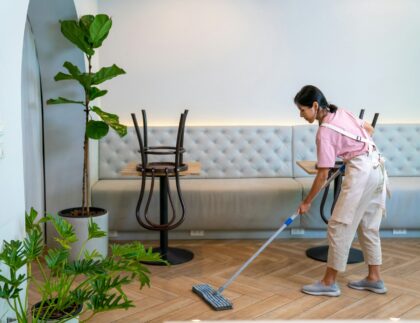
– Sweep and mop high-traffic areas like entrances and aisles.
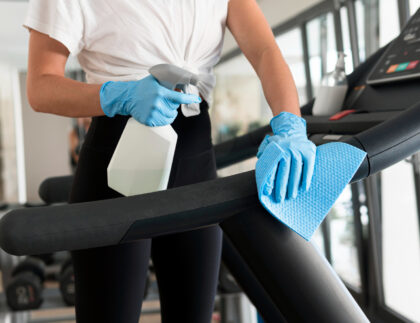
– Wipe down shopping trolleys and basket handles.
– Empty bins and restock restroom supplies.
Weekly Cleaning Tasks:
– Vacuum and deep clean carpets to remove embedded dirt.
– Polish window displays and clean glass doors.
– Disinfect counters and high-touch areas such as light switches and railings.
Monthly Cleaning Tasks:
– Strip and wax tile floors for added shine and protection.
– Clean air vents and replace filters to ensure air quality.
– Inspect and clean storage areas and stockrooms.
Stores should focus their efforts on high-touch and high-traffic zones, such as fitting rooms, checkouts, and restrooms. To lessen disruptions during peak hours, cleaning crew can work during quieter periods, like early mornings or late evenings. Some tasks can operate in the background, such as automated floor scrubbing during low-traffic intervals. By following a structured schedule, retail locations can uphold exemplary cleanliness standards while accommodating the natural ebb and flow of customer visits.
Selecting the Right Cleaning Products and Tools
Choosing the right cleaning products and tools for retail stores is crucial to handle the demanding nature of frequent foot traffic. High-use surfaces require products that can effectively remove dirt and grime without causing damage. Opt for gentle cleaners with pH-neutral formulas that work well on a variety of surfaces such as tiles, glass, and countertops. This prevents wear and tear while maintaining a polished look.
To maximize cleaning efficiency, consider investing in tools that are designed for large spaces. Automatic scrubbers are excellent for cleaning expansive floor areas quickly. For spot cleaning, microfibre cloths and mops are indispensable as they effectively trap dirt and dust without leaving scratches. Additionally, vacuum cleaners with HEPA filters can impeccably clean carpets and rugs, capturing even the finest particles.
Eco-friendly options are also worth considering. Biodegradable cleaners and reusable cleaning tools help reduce the environmental impact, ensuring a safer space for both shoppers and staff. These products and tools not only align with sustainability goals but also reflect positively on your store’s commitment to the community and environment.
Empowering Staff through Effective Training and Involvement
Well-trained staff are the backbone of a clean retail store. Ensuring employees understand the cleaning procedures and the importance of maintaining cleanliness can significantly enhance the store environment. Training sessions should cover the correct use of cleaning products and tools, highlighting techniques that ensure thoroughness and safety.
Encouraging staff participation in cleaning tasks fosters a sense of responsibility and teamwork. Rotating cleaning duties among staff can help distribute tasks evenly, giving everyone a stake in upholding store standards. Staff meetings can also include discussions on cleaning challenges and innovative solutions to keep the environment inviting.
Creating a team approach to cleanliness not only improves the quality of the cleaning itself but also builds morale. When employees work together towards a common goal, it instils pride in their workplace. Customers notice a well-maintained store, which can enhance their shopping experience and encourage loyalty. A committed team makes maintaining high cleanliness standards both achievable and rewarding.
Conclusion
Successfully managing retail store cleanliness amidst high foot traffic involves a combination of strategic planning, the right tools, and teamwork. By understanding the nuances of heavy traffic patterns, stores can adapt cleaning protocols to meet these challenges consistently. Implementing a structured cleaning schedule ensures that every corner remains spotless, enhancing the store’s overall appeal and customer experience.
Choosing effective cleaning supplies and equipment further supports this mission, while eco-friendly options contribute to a sustainable approach. Staff play a crucial role in maintaining these standards, and with the right training and involvement, they can transform the store into a consistently inviting space.
To elevate your retail store’s cleanliness and keep it in prime condition, consider partnering with So Clean So Fresh. Our expert cleaning services tailored for high-traffic environments ensure your space remains immaculate and appealing. Let us help you create a shopping experience that keeps customers returning. Contact us today to find out more about our retail store cleaning services and other specialised solutions.