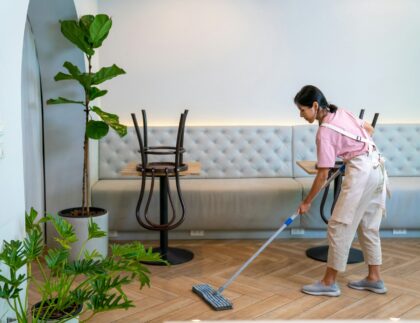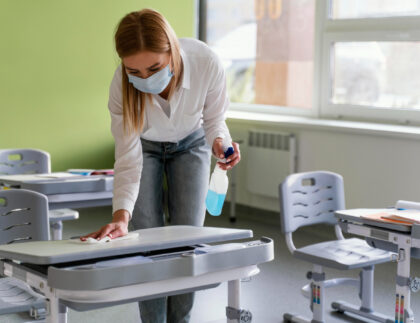
Keeping a restaurant or café spotlessly clean is crucial for both the business and its customers. Hygiene isn’t just about creating a visually appealing space; it’s a fundamental aspect that ensures the health and safety of everyone who steps inside. Patrons expect and deserve a clean environment where they can enjoy their meals without worries about sanitation.
Identifying Key Hygiene Challenges in Restaurants and Cafés
Restaurants and cafés face several common hygiene challenges, mainly due to their busy environments and constant food handling. Surfaces in the kitchen can become breeding grounds for germs if not cleaned properly. Grease build-up on stoves and splash areas add to the risk of contamination. Dining tables and chairs accumulate crumbs and spills throughout the day, which require continuous attention.
The impact of poor hygiene in these settings can be significant. Customers may leave unsatisfied if they experience unclean surroundings, affecting the establishment’s reputation. Health-wise, inadequate sanitation can lead to foodborne illnesses, posing serious risks to patrons and resulting in possible legal consequences. Thus, maintaining rigorous hygiene standards is non-negotiable for food service businesses.
To address these challenges, restaurants and cafés must adopt strict sanitation protocols. Regular cleaning keeps germs at bay and ensures a pleasant dining experience for customers. Prioritising hygiene helps in maintaining compliance with health regulations and contributes to the overall success and credibility of the business. By understanding these challenges, establishments can devise effective solutions that balance cleanliness with efficient service.
Implementing Effective Cleaning Protocols
A well-organised cleaning routine in restaurants and cafés is vital to uphold hygiene. Establishments should categorise tasks by frequency: daily, weekly, and monthly, to cover all aspects of cleanliness effectively.
Daily Cleaning Tasks:
– Wipe down tables and chairs after each use.
– Clean kitchen surfaces and mop floors to remove spills.
– Sanitize bathrooms and restock supplies.
– Empty bins and ensure waste disposal areas are clean.
Weekly Cleaning Tasks:
– Deep clean ovens, stoves, and ventilation areas.
– Wash windows and light fixtures.
– Disinfect fridge interiors and check for expired products.
– Clean and polish floors, ensuring non-slip surfaces.
Monthly Cleaning Tasks:
– Conduct thorough checks of plumbing and drainage systems.
– De-grease kitchen extraction hoods.
– Review and update cleaning supplies and equipment as needed.
Compliance with health and safety regulations is crucial. Regular inspections ensure that the cleaning protocols meet required standards. To monitor cleanliness levels, some restaurants implement checklists or digital systems that track completed tasks. Training staff to follow and document these protocols helps maintain consistency and accountability. Establishments that prioritise organised and effective cleaning routines set themselves apart as genuinely caring for their customers’ wellbeing.
Choosing the Right Cleaning Supplies and Equipment
Selecting appropriate cleaning supplies and equipment is essential in ensuring both effectiveness and safety in restaurants and cafés. It’s vital to use non-toxic products, as harsh chemicals can leave residues that might contaminate food or harm employees. Look for eco-friendly cleaning agents that are specially formulated for use in food environments. These products are less likely to affect the quality of air and are safer for both staff and customers.
When it comes to equipment, invest in high-quality tools designed for deep cleaning demands. Steam cleaners effectively sanitise surfaces without requiring excessive scrubbing and are excellent for use on floors and worktops. For kitchen appliances, specialised de-greasing machines can effectively tackle grease from grills and ovens. Opt for easily manoeuvrable tools that can reach tight spaces and ensure thorough cleaning.
Additionally, consider alternatives that promote environmental sustainability. Using biodegradable cleaning supplies and recyclable materials can significantly reduce the ecological footprint of the business. Not only do these choices help preserve the environment, but they also appeal to eco-conscious customers, enhancing the restaurant’s reputation as a responsible establishment.
Training Staff in Hygiene Best Practices
Training staff in proper hygiene practices is vital for maintaining a clean and safe environment in any restaurant or café. Proper training ensures that every employee understands the significance of cleaning and sanitation in their daily responsibilities. This involves demonstrating the correct use of cleaning products and equipment, as well as detailing procedures for thorough sanitation of work areas.
Encouraging a culture of accountability and teamwork among staff can greatly improve hygiene levels. By assigning clear cleaning duties and rotating these roles frequently, restaurants ensure that no areas are neglected. Regular meetings can be used to discuss hygiene issues and share tips on improving cleanliness, keeping everyone informed and engaged.
Regular training sessions offer numerous benefits beyond just cleanliness. They foster a sense of pride and ownership among employees, leading to increased motivation and job satisfaction. A well-trained team can react swiftly to any hygiene concerns, maintaining high standards consistently. By prioritising ongoing education, establishments equip their staff with skills that strengthen the overall hygiene culture.
Conclusion
Incorporating effective hygiene practices into the daily operations of restaurants and cafés is crucial for success. By understanding the challenges, implementing structured cleaning routines, selecting the right supplies, and investing in staff training, these establishments can create an inviting and safe atmosphere for their customers. Consistently maintaining high hygiene standards not only keeps patrons happy but also protects the health of both staff and clientele. This proactive approach differentiates successful eateries from those that struggle with cleanliness and customer satisfaction.
Whether you’re managing a quaint café or a bustling restaurant, staying on top of hygiene requirements is key to smooth operations and long-term success. By focusing on these essential elements, any food service business can enhance its reputation and build a trustworthy environment where customers feel comfortable and valued.
Ready to boost your restaurant or café’s hygiene standards to the next level? Let So Clean So Fresh support you with expert cleaning services in Bedford tailored to meet your specific needs. Our professional team is committed to ensuring your establishment remains spotless and inviting. Partner with us today to experience the benefits of a truly clean environment.