Maintaining a clean restaurant or café is crucial for creating a welcoming environment and ensuring customer satisfaction. When diners step into a spotless establishment, they feel more comfortable and are more likely to enjoy their experience. Cleanliness in a dining space signifies that the business values its customers and upholds high standards.
Besides enhancing customer experience, cleanliness in restaurants and cafés is vital for food safety and hygiene. A clean kitchen and dining area reduce the risk of foodborne illnesses, protecting both customers and staff. Regular cleaning and sanitising prevent the buildup of harmful bacteria and ensure that all food preparation areas are safe.
Establishing a reliable cleaning routine can help manage the daunting task of keeping a restaurant or café spotless. From daily tasks that ensure the environment is always sparkling, to deeper weekly and monthly cleaning efforts, a structured approach is key. By prioritising cleanliness, restaurants and cafés can offer a safe and enjoyable dining experience, fostering customer loyalty and positive reviews.
Importance of Cleanliness in Restaurants and Cafés
Improving Customer Experience
When customers walk into a clean restaurant or café, they instantly feel more comfortable. A spotless establishment creates a welcoming atmosphere that invites patrons to relax and enjoy their meals. Clean tables, floors, and restrooms signal to customers that the business cares about its patrons and pays attention to detail. This positive experience can lead to repeat visits and glowing reviews.
Happy customers are more likely to recommend the restaurant or café to friends and family. Word-of-mouth recommendations are powerful marketing tools that can attract new patrons. Cleanliness plays a significant role in boosting customer satisfaction and loyalty, ultimately contributing to the long-term success of the business.
Ensuring Food Safety and Hygiene
Cleanliness in restaurants and cafés is critical for food safety. A clean kitchen reduces the risk of foodborne illnesses, protecting both customers and staff. Regular cleaning and sanitising prevent the buildup of harmful bacteria, ensuring that all food preparation areas remain safe. This is especially vital in spaces where food is constantly handled, cooked, and served.
Proper hygiene practices, such as regular handwashing and sanitising surfaces, are essential in preventing cross-contamination. Keeping high-touch areas, such as door handles and payment terminals, clean also helps reduce the spread of germs. By prioritising food safety and hygiene, restaurants and cafés can offer a safe dining experience, build customer trust, and comply with health regulations.
Daily Cleaning Routines for Restaurants and Cafés
Tasks to Complete Before Opening
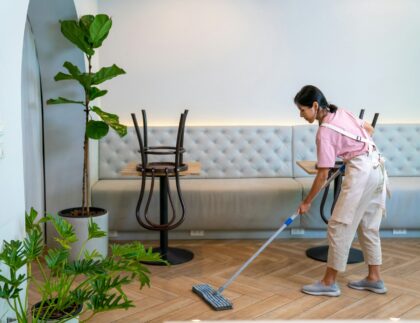
Starting the day with a clean and organised environment sets the tone for a successful service. Before opening, staff should sweep and mop the floors, ensuring that any dirt or debris from the previous day is removed. Tables, chairs, and countertops should be wiped down with disinfectant to ensure they are clean and ready for guests.
Clean and sanitise the kitchen surfaces, including cutting boards, countertops, and cooking equipment, to ensure they are ready for food preparation. Check and restock all supplies, including napkins, condiments, and soap dispensers, to ensure everything is in place for a smooth operation. Completing these tasks before opening helps create a positive first impression for customers.
Tasks to Complete During Service
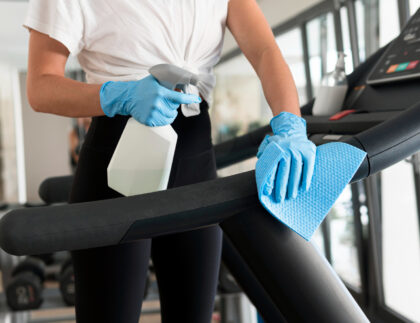
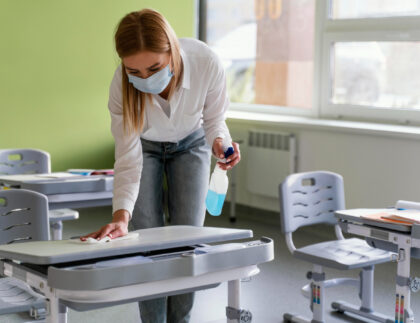
Maintaining cleanliness during service is equally important. Staff should regularly wipe down tables and high-touch areas, such as door handles and payment terminals, to prevent the spread of germs. Spills should be cleaned up immediately to prevent slips and maintain a tidy environment.
Regularly empty bins to avoid unpleasant odours and overflow. Keep an eye on restrooms, ensuring they are clean and stocked with necessary supplies. By staying on top of these tasks, the restaurant or café remains clean and inviting throughout the day, providing a pleasant experience for all diners.
Tasks to Complete After Closing
End-of-day cleaning tasks are crucial for maintaining a high standard of cleanliness. Sweep and mop the floors thoroughly to remove any dirt and debris accumulated during the day. Clean and sanitise all kitchen surfaces, including stoves, ovens, and sinks, to prepare for the next day’s service.
Wipe down tables, chairs, and any other surfaces in the dining area. Empty all bins and replace liners to ensure a fresh start for the morning. Conduct a final check of the restrooms, making sure they are clean and stocked with supplies. Completing these tasks ensures the restaurant or café is ready to welcome customers again the next day.
Deep Cleaning Tasks for a Safe and Hygienic Environment
Weekly Cleaning Checklist
Deep cleaning ensures areas that aren’t part of daily upkeep remain spotless. Here’s a handy checklist for weekly tasks:
1. Kitchen Equipment: Clean and sanitise all ovens, fridges, and freezers. Wash extractor fans and deep-fat fryers to remove any built-up grease.
2. Storage Areas: Organise pantry and cold storage areas. Discard expired food items and wipe down shelving units.
3. Dining Area: Move and clean beneath and behind all furniture. Dust and sanitise light fixtures and wall art.
4. Windows and Glass: Clean all windows, both inside and out, to ensure they are free from smudges and fingerprints.
5. Restrooms: Deep clean all bathroom fixtures, including toilets, sinks, and tiled walls. Ensure grout lines are free from mould and mildew.
Completing these tasks weekly keeps the restaurant or café in top condition and prevents the buildup of dirt and bacteria.
Monthly Deep Cleaning Essentials
Some tasks require attention on a monthly basis. Here are the essentials:
1. Ventilation Systems: Clean all vents and air ducts to ensure optimal air quality and reduce dust accumulation.
2. Exterior Cleaning: Pressure wash the building’s exterior, including entrances and outdoor seating areas, to keep the premises inviting.
3. Furniture and Upholstery: Steam clean chairs and any upholstered surfaces to remove stains and odours.
4. Detailed Kitchen Cleaning: Perform a thorough clean of the entire kitchen, including walls, ceilings, and floors. Ensure all corners and hard-to-reach areas are sanitised.
5. Equipment Maintenance: Inspect and service all equipment to ensure everything is functioning properly and safely.
Monthly deep cleaning helps maintain a high standard of cleanliness and extends the lifespan of equipment and furniture.
Effective Management of Cleaning Supplies and Equipment
Organising Your Cleaning Supplies
Keeping cleaning supplies well-organised is key to an efficient cleaning routine. Designate a specific storage area for all cleaning equipment and products. Use shelving units to keep items orderly, placing frequently used products at eye level for easy access. Label each shelf and storage container clearly so staff can find what they need quickly.
Implement a tracking system for inventory. Regularly check stock levels and reorder supplies as needed to avoid running out. Keeping an organised cleaning supply area saves time and makes the cleaning process more efficient, helping maintain a spotless restaurant or café.
Must-Have Cleaning Products and Tools
Having the right products and tools is essential for effective cleaning. Here’s a list of must-haves:
1. Microfibre Cloths: These are versatile and can be used for dusting, wiping down surfaces, and polishing glass.
2. Disinfectant Sprays and Wipes: Essential for sanitising high-touch areas and kitchen surfaces.
3. Mop and Bucket: Use a mop with a detachable, washable head and a sturdy bucket with a wringer for easy floor cleaning.
4. Brooms and Dustpans: For quick cleanups of debris and spills.
5. Vacuum Cleaner: Ideal for keeping carpets and upholstery clean.
6. Scrub Brushes: Use various sizes for cleaning grout lines, kitchen equipment, and bathroom fixtures.
7. Gloves and Masks: Protect staff from harsh chemicals and maintain hygiene standards.
Equipping your team with these essentials ensures they can tackle any cleaning task efficiently and effectively.
Conclusion
Maintaining a clean and hygienic environment in restaurants and cafés is essential for customer satisfaction and safety. Daily, weekly, and monthly cleaning routines help create a welcoming and safe atmosphere where customers feel comfortable and valued. Organising cleaning supplies and using the right tools makes these tasks more efficient.
A spotless dining and kitchen area not only enhances customer experience but also ensures food safety and hygiene, building a positive reputation for your business. By prioritising cleanliness, you show your commitment to providing the highest standards for your customers.
For professional cleaning services in Bedford that meet these high standards, contact So Clean So Fresh. Our expert team is ready to help you keep your restaurant or café spotless and safe, ensuring the best customer experience.